Back to Blog
Supplement Process

Geico Said No. The Documentation Said Otherwise.

4 min read
Share
Shop owner reviewing a multi-page printed supplement file with OEM procedure pages at a cluttered estimating desk

The most common thing shop owners say before their first properly documented supplement goes out is some version of "Geico will never approve that." They mean it. They've been denied enough times that the expectation of denial has become the operating assumption. The problem is they're right about the wrong variable. Getting insurance to approve your supplement isn't about which carrier you're dealing with. It's about whether the documentation makes denial more expensive than approval.

Why Most Supplements Get Pushed Back More Than Once

63% of all collision repairs require at least one supplement after the initial estimate, according to CCC Intelligent Solutions' published data. What it tells you is that the first estimate almost never captures the full scope of what's owed. The question is whether you're capturing it on the first supplement or chasing it across two or three rounds.

Most shops are chasing. The average shop submits a supplement, gets a partial approval or a denial, writes another one, and fights again. Each round costs you time, delays the repair, and erodes the adjuster relationship you're trying to protect. And here's what none of that back-and-forth addresses: the carrier's decision to approve or deny is not emotional. It's a cost calculation. A denial is the cheapest outcome only when it's easy to defend. When the file makes a denial difficult to defend, the calculation changes.

CRASH Network's 2026 Insurer Report Card surveyed more than 1,100 shops nationwide. Not one of the top 10 largest national insurers received a grade above C+. The shops grading them lowest were consistent about one thing: the good carriers paid for OEM repair procedures without argument. That's the variable you can control. Not which carrier. What the file looks like when it arrives.
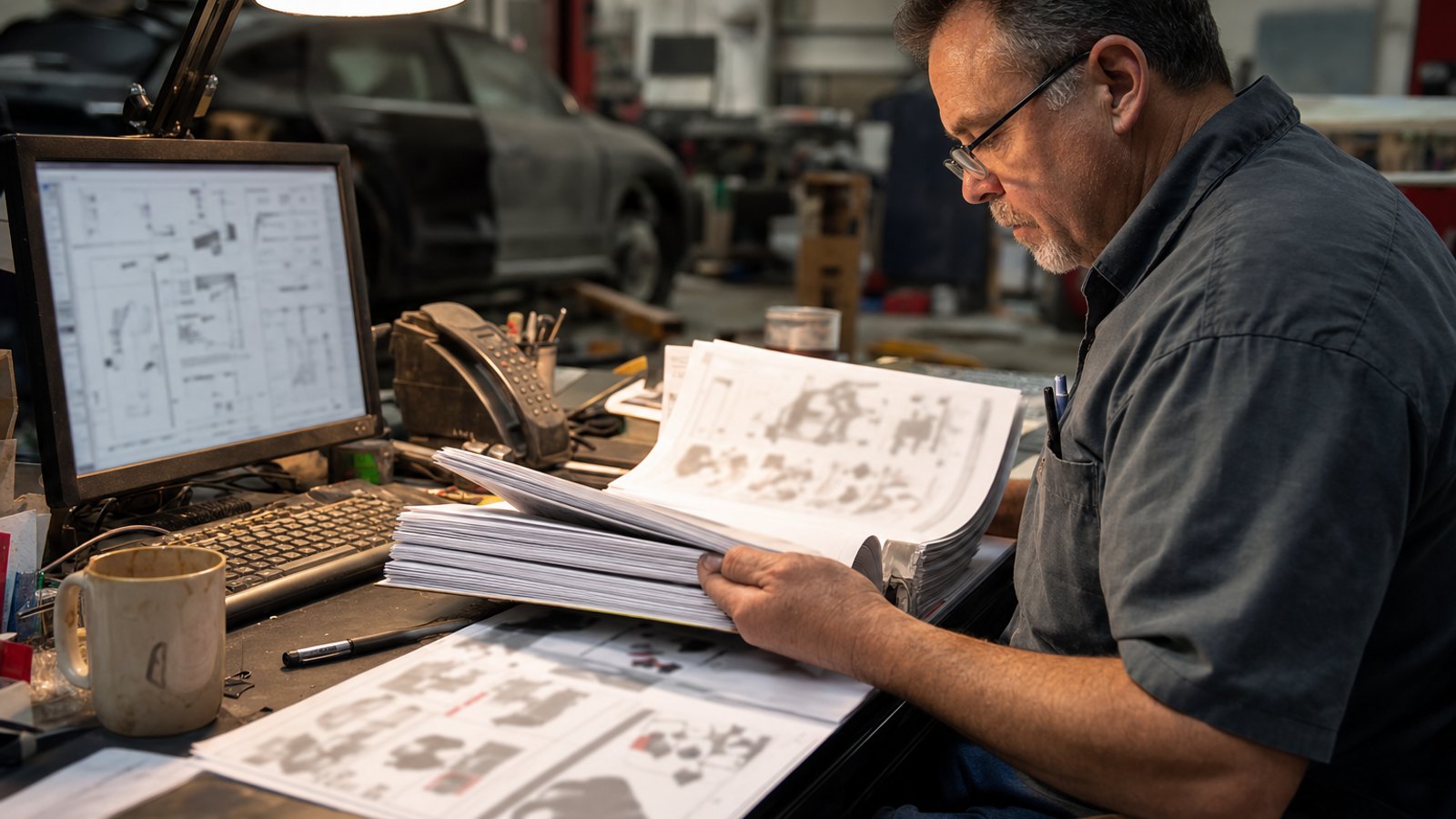
Shop owner reviewing a multi-page printed supplement file with OEM procedure pages at a cluttered estimating desk
A supplement backed by OEM citations changes the adjuster's cost calculation before they type a single character into their system.

How to Get Insurance to Approve a Supplement on the First Submission

Here's the self-diagnostic: how many supplement rounds does a typical repair order run at your shop? One round is the target. Two or more rounds is not a carrier problem. It's a documentation gap. The carrier isn't going to tell you which line items lacked support. They'll deny them and wait to see what you do.

What changes the outcome is building the supplement as a case file before it leaves the building. That means three things present before it goes out:

  • A complete photo set from teardown, tied to the line items being supplemented. Not photos of general damage. Photos that correspond to each specific operation.
  • OEM procedure documentation for every not-included line item. If it's a corrosion protection step on a 2022 Honda CR-V, the OEM position statement goes with it. If it's a calibration requirement on a 2023 Toyota Camry, the vehicle-specific procedure page goes with it. The carrier cannot ignore documented manufacturer requirements the way they can ignore a line note.
  • The obligation language from the P-pages or the OEM procedure itself, establishing the operation as required, not optional.

Aaron Schulenburg of SCRS put it plainly in December 2025: when a supplement gets pushed back, the first move is requesting the denial in writing, then running it against the OEM requirements. That's reactive. The shops getting approved on first submission are doing that comparison before the supplement goes out, not after the denial comes back.
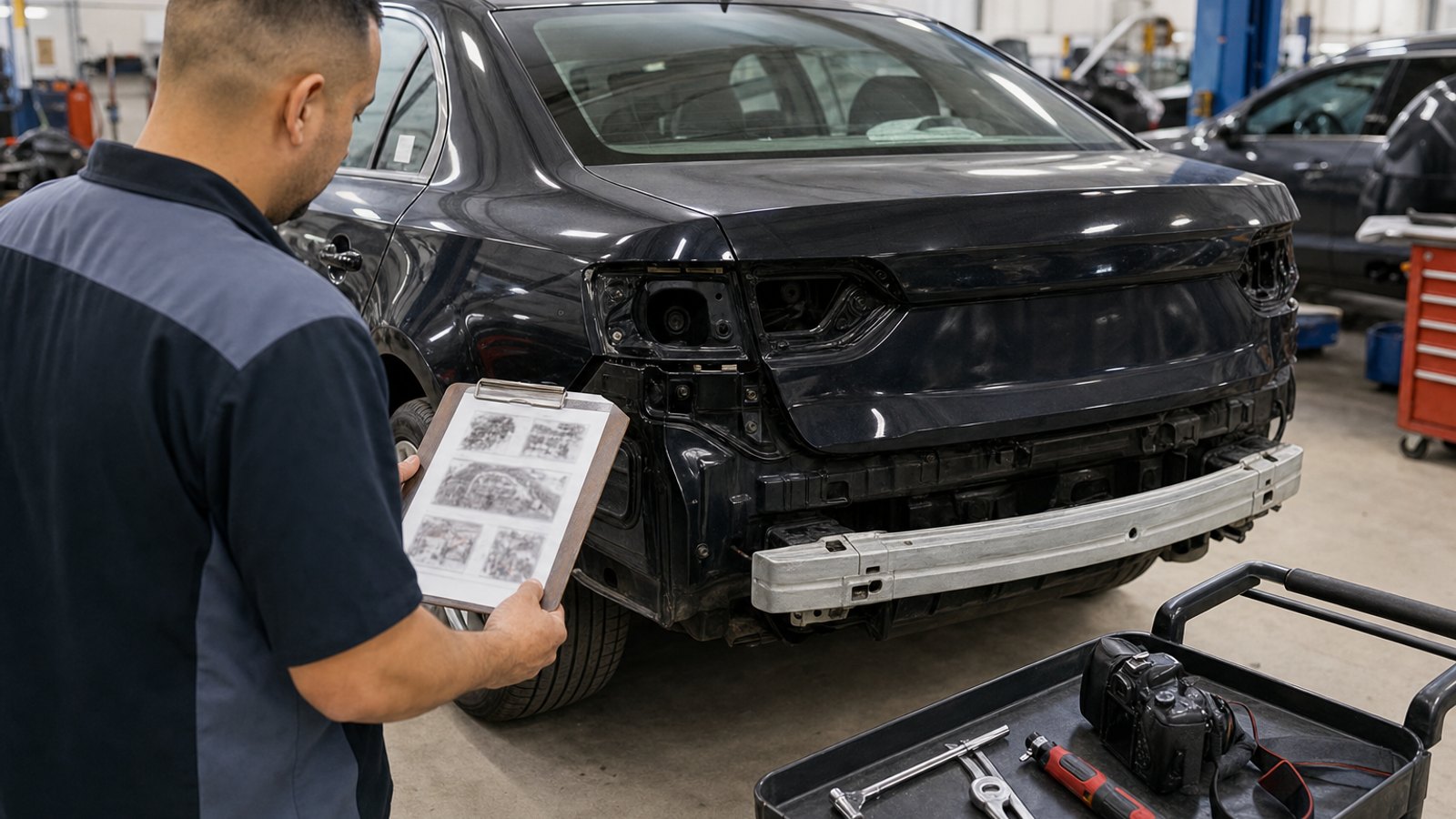
Technician documenting vehicle teardown with a printed OEM procedure page clipped to a clipboard on a shop floor
Teardown documentation paired with the OEM procedure page is the foundation of a supplement that doesn't require a second round.

What Happened When University Collision Did This With Geico

University Collision submitted their first estimate through a fully documented process. The carrier was Geico. Geico's 2026 Insurer Report Card puts them in the bottom tier among the shops surveyed. The estimate had $1,100 in operations that weren't on the original insurer file.

100% approved. No pushback from Geico. The owner's words: "Unbelievable."

The operations didn't change. The shop didn't have a different relationship with Geico. The same adjuster who would have denied a bare supplement approved a documented one. That's the mechanism. The documentation changed the cost calculation on the carrier's side of the desk.

CCC's own data shows that 51.5% of calibration requirements first show up on supplements, not on initial estimates. A shop that includes calibration in the initial estimate with OEM documentation attached isn't fighting a supplement. The adjuster is processing an obligation.

The Bottom Line

The shops getting approvals on first submission aren't better negotiators. They're better documenters. The carrier's calculation doesn't change because you argued harder. It changes because the file makes denial expensive. Every operation you add to a supplement without the corresponding OEM procedure gives the carrier a free pass to deny it. Every operation you add with manufacturer documentation behind it costs them something to push back on.

Tools like Estimate Optimizer™ pull the OEM documentation for every not-included line item automatically, so the case file is built before the supplement leaves the building. That's how a $1,100 Geico approval happens on the first submission instead of three rounds of back-and-forth.

Related Articles

Frequently Asked Questions

How do I get insurance to approve my supplement the first time?
Attach OEM procedure documentation to every not-included line item before the supplement goes out. Photos from teardown should correspond to each specific operation being supplemented. When the file makes denial difficult to defend, approvals happen on first submission without the back-and-forth.
Why does Geico keep denying my supplements?
Geico, like most large national carriers, applies a cost calculation to every supplement. A denial is the cheapest outcome when the line items lack supporting documentation. CRASH Network's 2026 Insurer Report Card found no top-10 national insurer scored above a C+ from 1,100+ collision shops. The variable you control is the file quality, not the carrier.
How many supplement rounds should a repair order require?
One round is the target. Two or more rounds typically indicates a documentation gap on the first submission, not an unusually difficult carrier. Each additional round reflects line items that went out without the OEM documentation needed to establish carrier obligation. Fix the documentation process and the rounds drop.
What documentation should be attached to a supplement?
Three things: a complete photo set from teardown tied to each specific line item, OEM procedure documentation establishing each not-included operation as required, and the obligation language from the P-pages or manufacturer position statement. Together, these change the supplement from a request into a documented carrier obligation.
Does OEM documentation actually change whether insurance approves a supplement?
Yes. CCC data shows 51.5% of calibration requirements first appear on supplements, not initial estimates. When that supplement arrives with the vehicle-specific OEM calibration requirement attached, the carrier is reviewing a documented obligation, not a shop's request. The approval calculus changes when denial has to be justified against the manufacturer's own documentation.
Share this article
supplementsinsurance claimsOEM proceduresshop ownerscollision repairrevenue recovery
Back to Blog
Follow us