Back to Blog
Labor Rate Disputes

How to Negotiate Your Labor Rate With Insurance: Tactics That Actually Work

6 min read
Share
Shop owner reviewing printed labor rate documentation at a desk covered with estimate paperwork and rate comparison reports

If you want to negotiate your labor rate with insurance and actually win, stop leading with what you deserve. Lead with what you can prove.

Why Labor Rate Negotiations Usually Go Nowhere

Most shops approach a labor rate dispute the same way: call the adjuster, explain the market, get frustrated, accept the cut. That cycle repeats because the shop is bringing a conversation to a documentation fight.

Insurers aren't cutting your rate because they think you're wrong. They're cutting it because they can. The claim file doesn't have anything in it that makes denial expensive. So they push, and the path of least resistance is down.

According to a CRASH Network survey of more than 300 shops in fall 2025, 1 in 4 shops reported at least one insurer cutting their labor rate compared to January of that year. State Farm was the most frequently named carrier. In a separate survey, 57% of 230 shops said State Farm had reduced their rate. One shop in Louisiana watched their rate drop from $60 to $55 per hour, an 8.3% cut, with no justification beyond the carrier's internal benchmarks.

That's not a negotiation. That's a squeeze. And the only thing that reverses it is making the squeeze more expensive than paying the correct rate.

The shops that hold their rates aren't doing it through better adjuster relationships. They're doing it through better files.
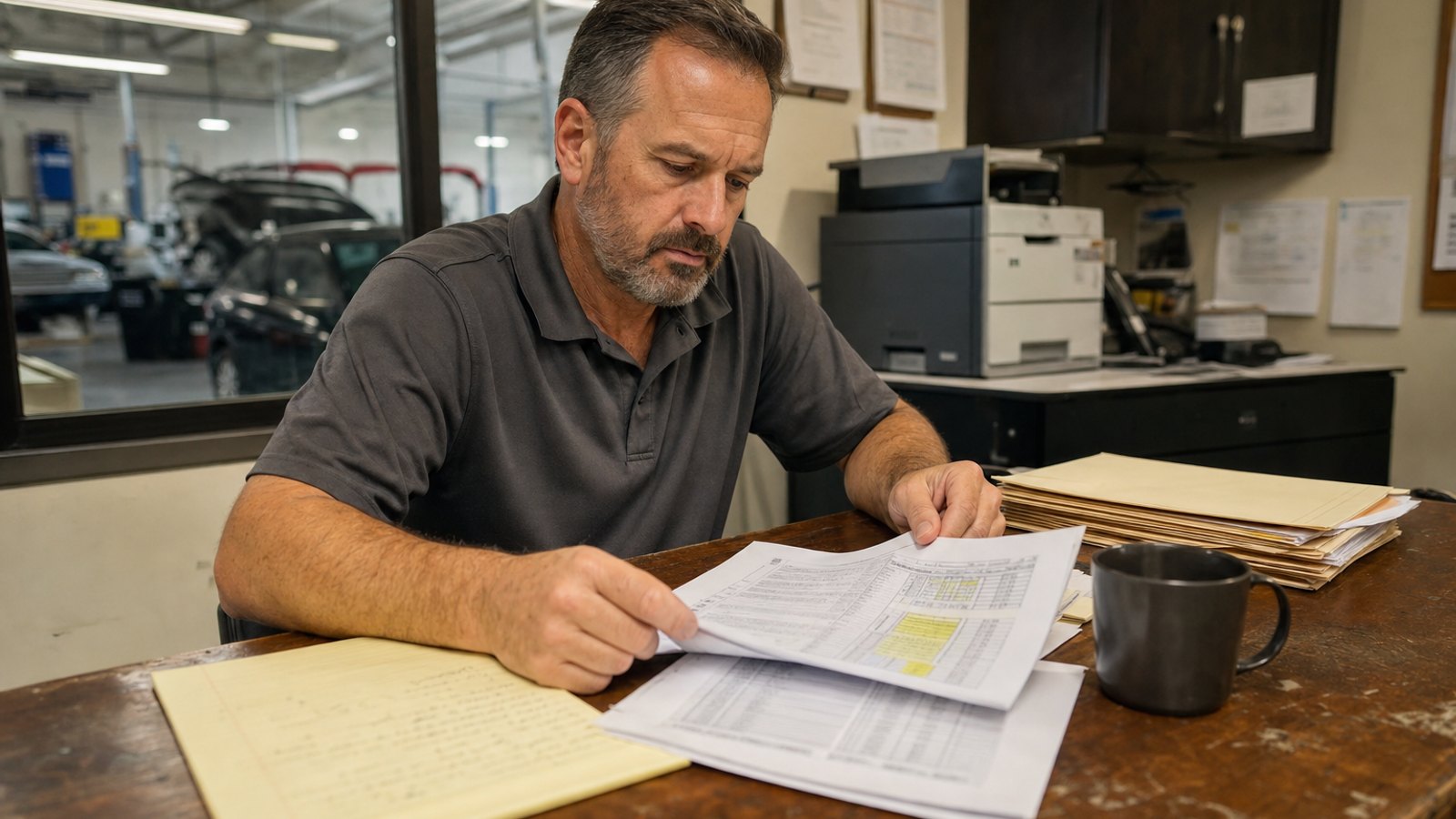
Shop owner reviewing printed labor rate documentation at a desk covered with estimate paperwork
Shops that document prevailing market rates before a dispute starts negotiate from a position the adjuster cannot easily dismiss.

How to Negotiate Your Labor Rate With Insurance Before the Fight Starts

Real labor rate negotiation starts before you ever pick up the phone. It's built in the file, not in the conversation.

Here's what that file needs:

  • Prevailing rate documentation. Pull the NABR LaborRateHero data for your ZIP code. As of November 2025, the national average reimbursement was $81 per hour across more than 8,000 shop responses. That's a published figure with methodology. Submit it with every estimate that goes out at your door rate. Not once, not when there's a dispute. Every time.
  • Your actual cost of doing business. Lift costs, equipment, training, ADAS tools, OEM certification fees. These aren't arguments. They're line items. Put them in writing and keep them updated annually. The carrier's internal benchmark has nothing to do with what it costs to run your shop correctly.
  • A rate comparison by market. What are other independent shops in your market charging? What are dealers charging? Document it. Not as an anecdote. As a written record you can attach to a dispute letter.
  • Your denial-to-payment ratio. If you've been keeping a log of every supplement filed and every outcome, you have a pattern. That pattern shows what your shop is actually owed versus what it's been paid. Bring the data, not the grievance.

When the adjuster pushes back, you're not asking them to be fair. You're showing them a file that makes approval cheaper than a dispute. That's a different conversation entirely.

A 2006 Toyota Tundra going through your shop is not the same as a 2024 Tesla Model Y. The tooling, the training, the certifications, the liability exposure are different. If your rate documentation doesn't reflect that complexity, you're leaving the carrier's floor price as your ceiling.
When They Still Won't Move: Escalation That Works

Some insurers won't budge in conversation. That's when the process escalates, and the process is still documentation-driven.

Phil Mosley at Valley Paint and Body in Amelia, Ohio has a 12-for-12 court record on labor rate disputes, with a 97% pre-trial settlement rate. He doesn't win because he's a better arguer. He wins because by the time a case reaches any formal stage, he has a file that would cost the carrier far more to contest than to settle. The carriers do the math. They pay.

That math only works if the file is built right from the beginning. Here's the escalation sequence:

  1. Send a certified rate dispute letter. In writing. Cite the specific rate you're charging, cite your prevailing market documentation, and request their written basis for the reduction. Most carriers won't respond with a written justification. That silence is itself a data point you can use later.
  2. File with your state insurance department. Every state has a complaint process. Complaints create a paper trail the carrier has to respond to. Even if the individual complaint doesn't produce a rate change, patterns of complaints do. Regulators track them.
  3. Contact SCRS. The Society of Collision Repair Specialists maintains rate resources and has documentation on carrier practice patterns across markets. They're a resource, not just a trade association. They've been building the pattern file your individual complaint feeds into.
  4. Involve the vehicle owner. The vehicle owner is a party to this transaction. When their repair is being held up by a carrier refusing to pay the shop's documented rate, they have standing to complain too. That's a second complaint to the insurance department, from a policyholder, not a shop. Carriers respond differently to policyholder pressure.
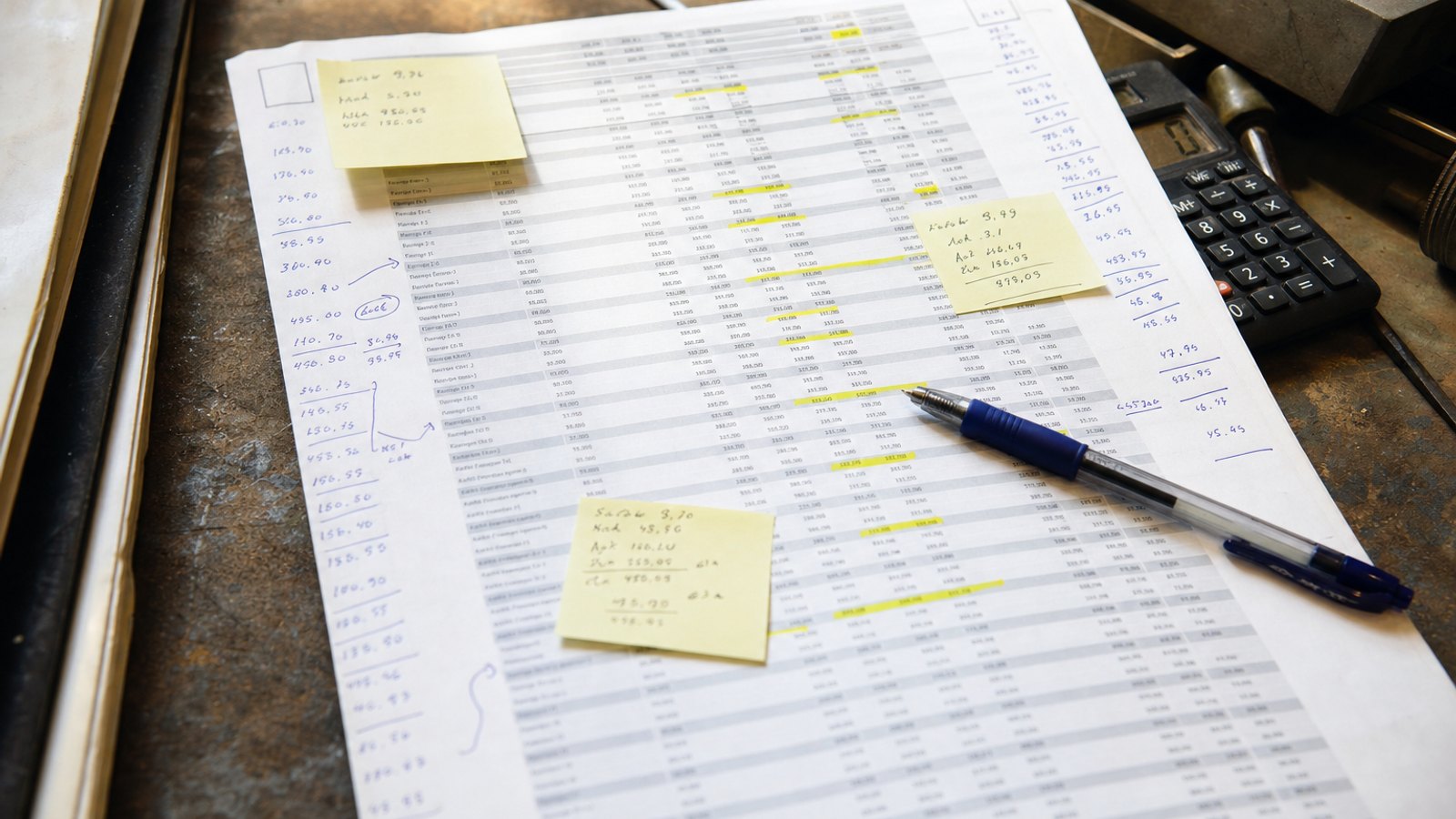
Close-up of a printed rate comparison report with highlighted figures and handwritten sticky note annotations on a shop desk
A documented rate comparison attached to every estimate shifts the negotiation from a verbal request to a written record the carrier must respond to or ignore on the record.

The Bottom Line

Massachusetts has watched its insurer-paid labor rate sit near $46 per hour for roughly 20 years. NABR's calculation of a sustainable floor for that market is $100.44 per hour. In December 2025, the state's advisory board issued its final report: no agreement reached. That gap is not going to close through conversation. It closes through documentation pressure applied consistently, at scale, by shops that know how to build a file.

Your shop won't win a labor rate dispute by being right. You win by making the file undeniable and the dispute uneconomical. Tools like Estimate Optimizer track every line item removed or reduced across your estimates and build the running record you need to enter any rate negotiation with actual evidence behind you.

If you can prove it, you can bill it. If you can't, you're donating it.

Related Articles

Frequently Asked Questions

How do I negotiate my labor rate with an insurance company?
Start by documenting your prevailing market rate using third-party sources like NABR LaborRateHero, which tracks national and ZIP-level reimbursement averages. Submit that documentation with every estimate at your posted rate. When a carrier pushes back, send a certified dispute letter requesting their written justification for the reduction. Most carriers won't provide one, and that absence is what you escalate with.
Can a body shop refuse to accept a lower labor rate from insurance?
Yes. You post your door rate and document why it reflects your actual cost of doing business. The carrier sets what they will pay; you set what you charge. The gap becomes the documented dispute. Many shops escalate unresolved gaps to state insurance departments or, in some cases, small claims court, where a complete file can produce settlement without going to trial.
What is the average labor rate for auto body shops in 2025?
According to NABR LaborRateHero data collected from more than 8,000 shop responses as of November 2025, the national average reimbursement rate was $81 per hour. That figure varies significantly by state. Massachusetts has seen insurer-paid rates near $46 per hour, a number that has been roughly frozen for two decades despite rising operating costs.
How do I fight an insurance company that cut my labor rate?
Document your current rate, your cost basis, and the prevailing rates in your market. Send a written dispute to the carrier requesting their written basis for the cut. File a complaint with your state insurance department, because the carrier has to respond to complaints on the record. If disputes continue, involve the vehicle owner as a second complainant and consider escalating through SCRS resources or small claims court.
Does taking an insurance company to court over labor rate actually work?
It can, when the file is built correctly before any formal action starts. Phil Mosley at Valley Paint and Body in Amelia, Ohio has a 12-for-12 court record on labor rate disputes with a 97% pre-trial settlement rate. The cases settle because carriers calculate that a complete, documented file costs more to contest than to pay. The documentation does the work, and the courtroom is rarely where it ends.
Share this article
labor ratesinsurance claimsrevenue recoveryshop ownerscollision repairauto bodyindependent shops
Back to Blog
Follow us