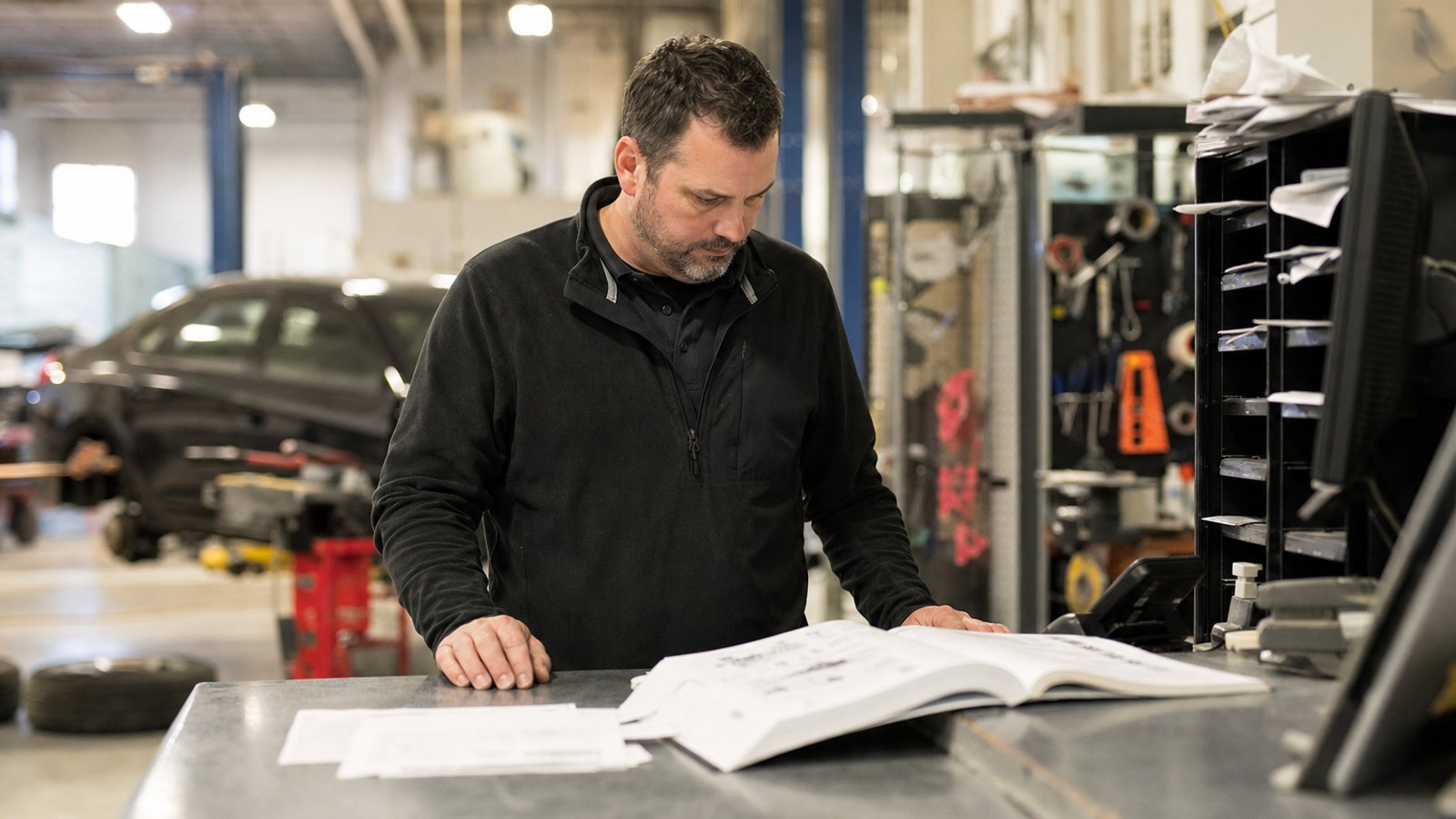
Single use parts not on estimate is a $31-per-repair-order problem that most shops don't see because the parts are small, the dollar amounts feel trivial, and the estimators have been skipping them for years without anyone pushing back. Until something fails.
What Are Single-Use Parts and Why Don't They Show Up on the Estimate?
Single-use parts, also called one-time-use fasteners, are OEM-designated components that cannot be safely reused once removed. Torque-to-yield bolts are the most common category. They're engineered to stretch during initial installation, which changes the metal's structural properties. Reuse one, and it looks fine. Right up until it doesn't hold.
The category is broader than most estimators realize. Hood hinge bolts on German vehicles. Door hinge bolts on multiple Stellantis platforms. Quarter panel fasteners. Airbag hardware. Bumper mounting clips. Weld nuts. Plastic retaining clips that deform on removal. OEMs from Audi to Toyota have published position statements requiring replacement of these components. I-CAR maintains dedicated one-time-use fastener articles for 18 different manufacturers.
They don't show up on estimates for the same reason a lot of things don't. The unit cost is $2 to $8. The estimator skips them because fighting for a $4 clip feels like a losing battle before it starts. Multiply ten to fifteen of those items across a single repair order and you're at $40 to $120 in parts that got ordered, installed, and never billed. Do that across every RO in a month and you're writing a check to the insurance company with your own labor.
According to RepairLogic/OEC data, repair teams miss about 40% of one-time-use parts because of the sheer volume of OEM notations buried across millions of pages of service documentation. The average missed value is $31 per repair order.
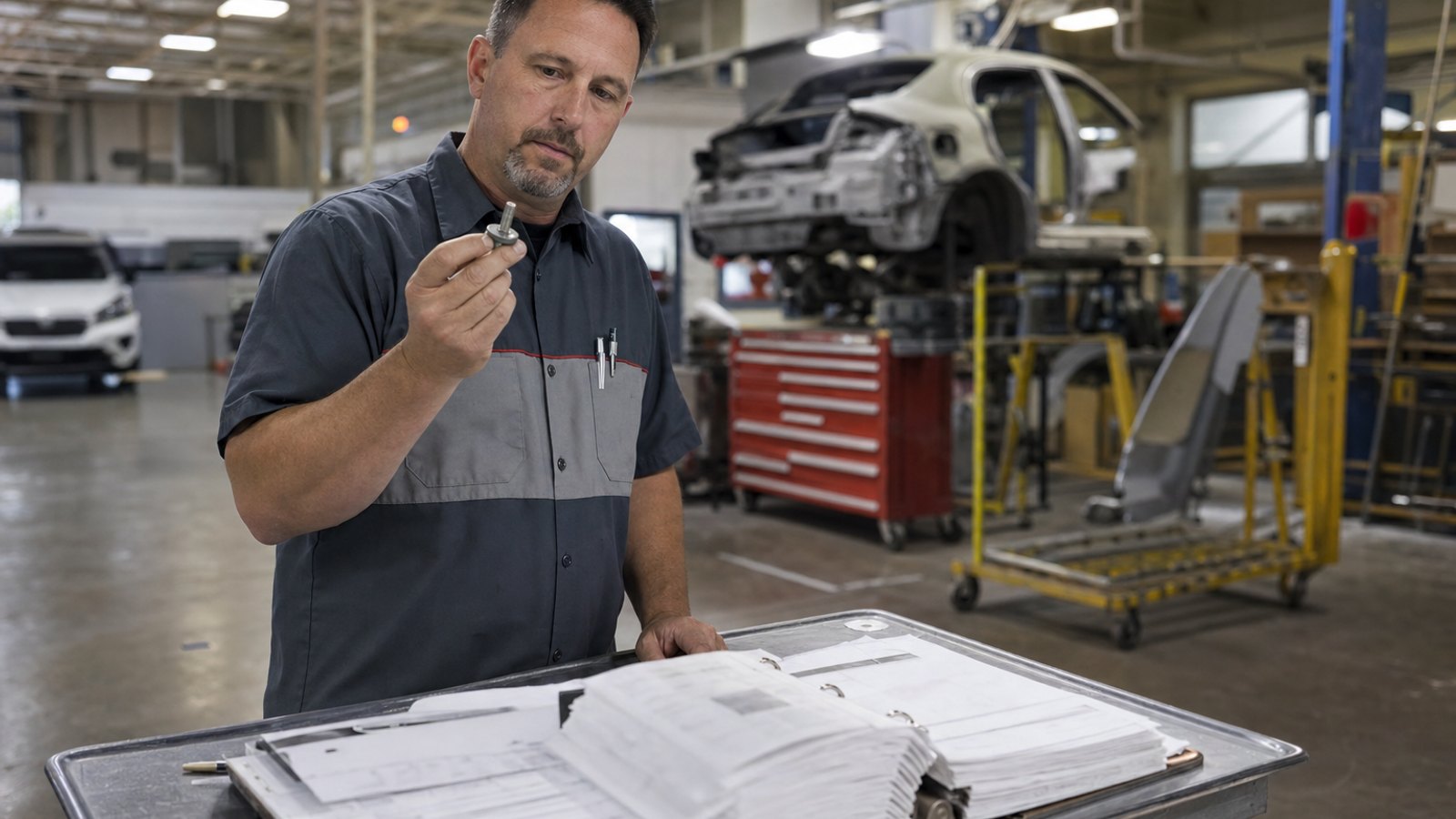
Single Use Parts Not on Estimate: The Insurance Angle
Carriers don't add these line items proactively. They're not going to read the OEM service documentation for a 2023 Jeep Grand Cherokee and flag the torque-to-yield subframe bolts that require replacement any time the subframe is disturbed. That's your job. And if you don't document it, they don't pay it.
The documentation required is not complicated. It is just rarely done consistently.
- Pull the OEM service manual for the specific vehicle and model year. Not a generic procedure. The specific year and platform. Fastener requirements change between generations of the same vehicle.
- Identify every single-use designation on the affected components. Torque-to-yield bolt designations often appear in the torque specification table, not in a separate "replace upon removal" callout. You have to read the whole procedure.
- List every affected part by OEM part number on the estimate. Not "misc. fasteners." Each item, each part number, each unit price. The more specific, the harder it is to deny.
- Attach the OEM procedure page that designates the part as single-use. This is the backing documentation that turns a line item into an obligation. The page reference, the page itself, attached to the claim file.
Stellantis issued updated position statements in February 2026 that specifically call out one-time-use parts on multiple platforms. Those statements exist because the manufacturer knows shops aren't replacing these parts consistently and wants the documentation chain clear. When an OEM publishes a position statement, it's not a suggestion. It's the written record of what a proper repair requires.
On a 2024 BMW 5 Series, hood hinge bolts are single-use per BMW position statements. A shop that doesn't include them on the estimate, doesn't replace them, or replaces them without billing has three problems: a revenue miss, a documentation gap, and a liability exposure that doesn't go away when the car drives off the lot.