Back to Blog
Revenue Recovery

58 Operations. One Estimate. Here's What the First Pass Found.

5 min read
Share
Bold data visualization bar chart showing a before-and-after estimate value comparison with the audited value significantly higher in vivid green

The most honest test of where your shop's estimating stands is a vehicle you own.

Mike, a shop owner in Mississippi, had his personal vehicle come through his own shop. His estimators wrote it up the way they write everything. When the first-pass audit ran against it, the estimate had 58 missed operations. The value went from $5,800 to $9,700. That's $3,900 on one car, written by the people who work for him every day.

Mike's shop isn't struggling. It's not staffed by bad estimators. The missed operations on auto body shop estimates aren't usually about estimator competence. They're about what OEM procedure data surfaces that experience alone doesn't catch.

What 58 Missed Operations on One Estimate Actually Looks Like

A few of the misses stand out.

One was a $716 error on the paint alone. The vehicle's paint code had been entered as a two-stage finish. The actual factory color is a tri-coat. That's a different refinish labor calculation entirely. Not a judgment call. A data error that the estimating system didn't flag. The carrier would have paid the two-stage rate and the shop would have absorbed the difference, without ever knowing there was a difference to absorb.

Another miss was a Nissan OEM position statement flag on the rear bumper. Nissan's published position statement says do not apply body filler in the area of side radar sensors on the rear bumper cover. Replacement is required. That's not a supplementary opinion. It's a manufacturer requirement documented at I-CAR and available at any carrier's own OEM reference portal. The initial estimate had a repair operation on the bumper cover. The audit flagged it. The estimate should have billed a replacement.

These are the kinds of misses that don't show up in the estimate because they require cross-referencing the VIN against OEM procedure databases and position statements while the estimate is being written. Most estimators aren't doing that on every line item. There's no time.
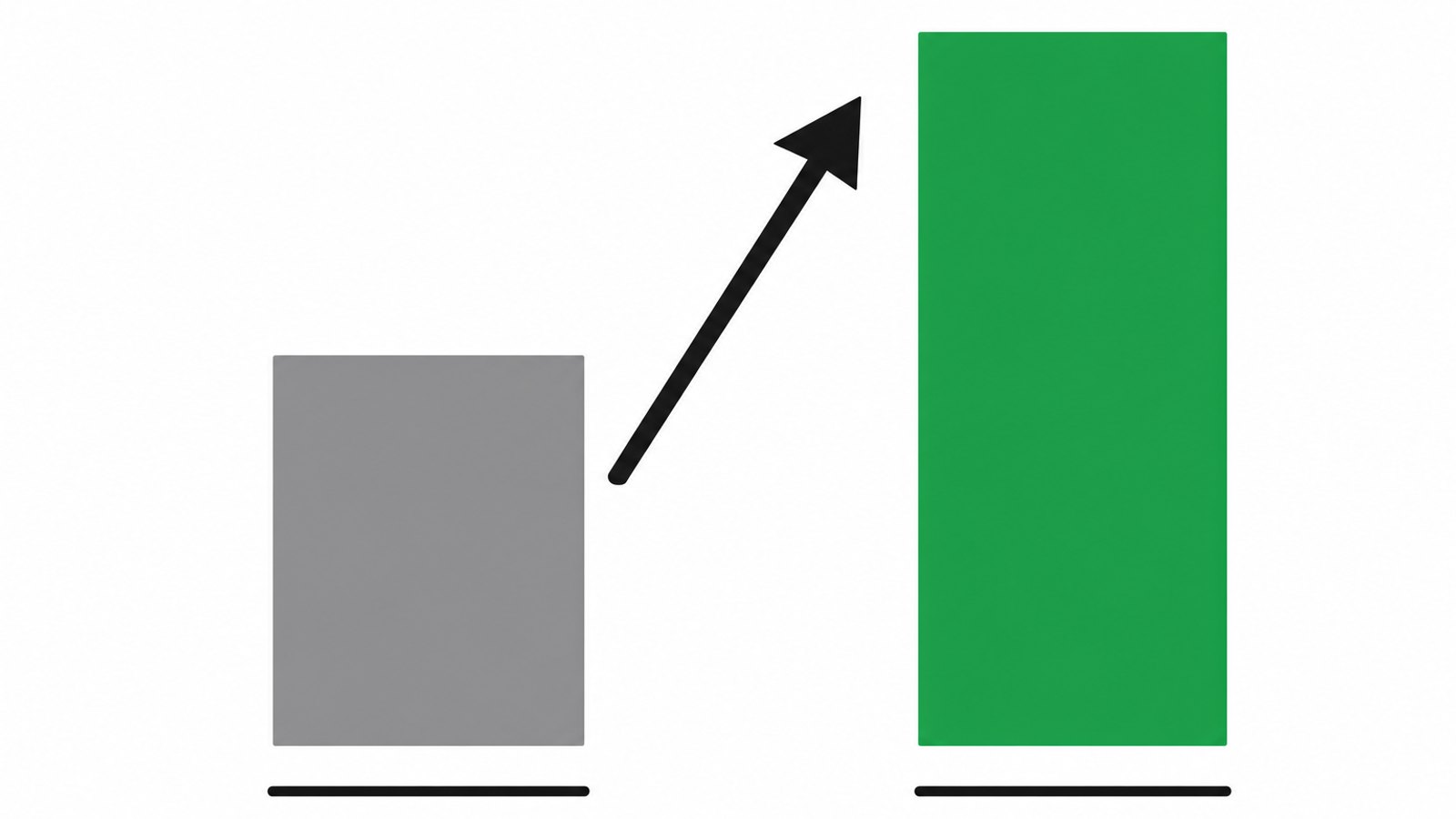
Bold data visualization bar chart showing two bars side by side with the right bar significantly taller in vivid green representing the audited estimate value
One estimate, one vehicle, one first-pass audit. The gap between initial and audited value tells you where your shop stands.

What Your Month Looks Like If One Estimate Misses This Much

Here's the scoreboard question: if your shop writes 60 estimates a month and one estimate on a mid-size Nissan sedan has 58 missed operations worth $3,900, what does your monthly revenue recovery gap look like?

The answer depends on how consistent the miss rate is across your RO stack. EO's per-estimate average across all clients is $1,100 in recovered revenue as of June 2026. That's not the ceiling. Mike's single estimate was $3,900. But $1,100 per estimate across 60 ROs is $66,000 a month in revenue that's sitting on estimates your shop already wrote and already did the work for.

That's not speculative math. It's a function of what OEM procedure data surfaces versus what experience-based estimating catches on its own. The gap exists because estimating systems don't automatically cross-reference every VIN against every OEM position statement. They bill what the estimator enters. The operations that require external documentation don't make it onto the estimate unless someone goes looking for them.

Most shops aren't looking. Not because they're careless. Because the lookup process is manual, time-consuming, and spread across dozens of manufacturer portals. The estimator has a queue too.
The Fix Isn't a Better Estimator

Mike's estimators aren't the problem. They're writing estimates the way estimators write estimates everywhere. Fast, from experience, against the estimate platform's guidance. The operations they miss aren't ones that experienced judgment usually catches. They're the ones that only show up when you cross-reference the VIN against OEM data line by line.

The paint code error is a clean example. An estimator looking at a silver vehicle enters a two-stage code because most silver vehicles run two-stage. The actual vehicle is a pearl tri-coat. That's on the VIN. It's in the OEM paint database. But checking it requires a step that isn't built into standard estimate workflow.

Estimate Optimizer ran Mike's estimate against OEM procedure databases and flagged 58 lines in the first pass. The paint code error came up immediately. The Nissan BSW position statement flag came up on the bumper review. The remaining operations covered not-included refinish procedures, P-page exclusions, and OEM-required operations that the initial estimate had either missed or undervalued.

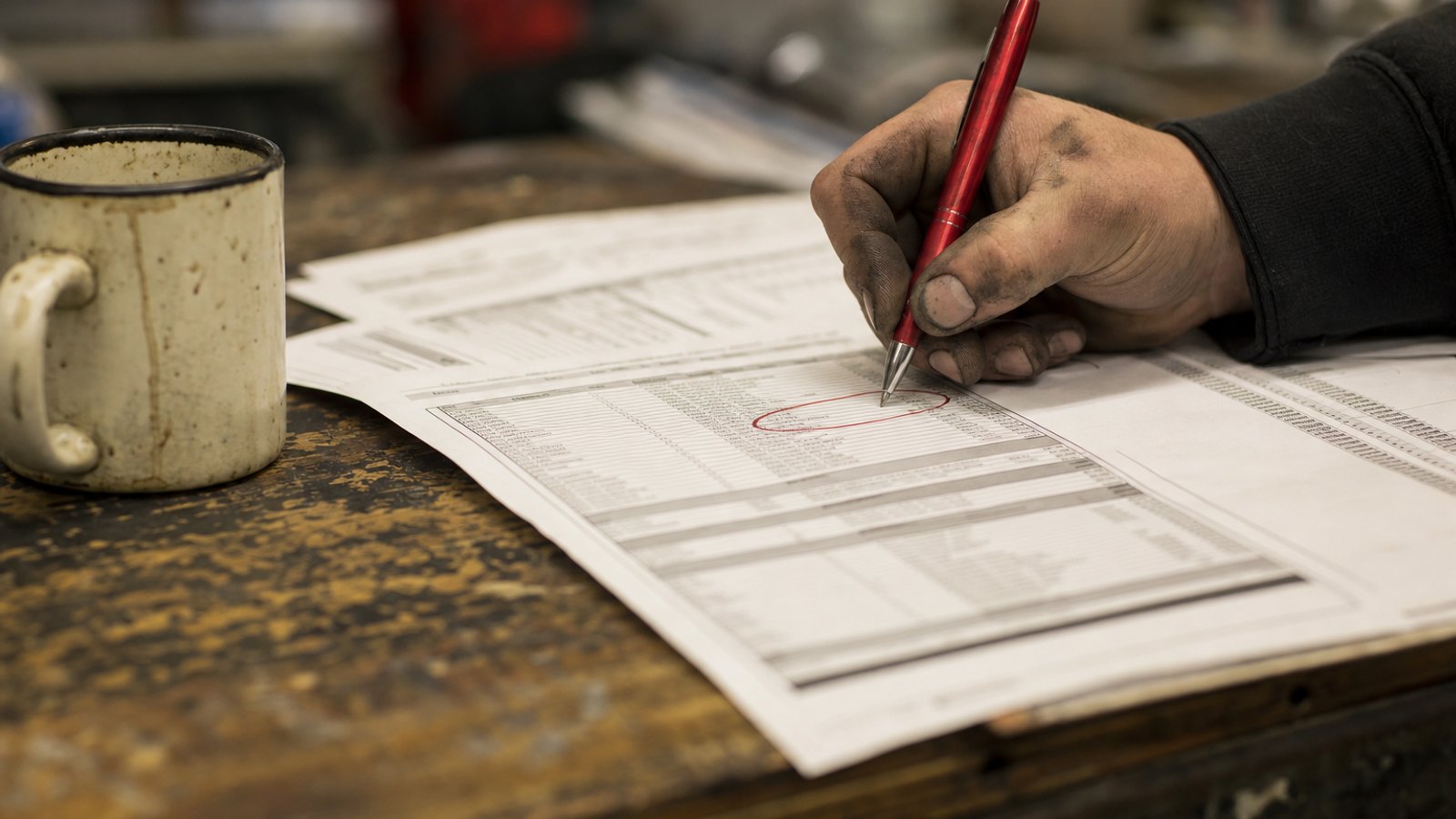
Close-up of a printed multi-page collision repair estimate on a worn desk with a grease-stained hand holding a red pen circling a section
Every estimate your shop writes is a candidate for the same first-pass audit. The gap between written and owed is in the OEM data.

The Bottom Line

The estimate on your own car is the most honest test of where your shop stands. If Mike's shop, run by experienced estimators, left $3,900 on one estimate for a vehicle the owner was personally invested in getting right, the same gap exists in the estimates going out your door every day for vehicles you have no personal stake in at all.

58 operations. One estimate. The question isn't whether your shop has the same problem. It's how much it's adding up to every month.

Related Articles

Frequently Asked Questions

How many operations does a typical auto body shop miss on an estimate?
It varies by estimate complexity, vehicle make, and whether ADAS systems are involved. A first-pass audit on one mid-size Nissan sedan found 58 missed operations worth $3,900. EO's per-estimate average across all clients is $1,100 in recovered revenue. Most missed operations require cross-referencing the VIN against OEM procedure databases, which standard estimating workflow doesn't automatically do.
What causes missed operations on auto body estimates?
Most missed operations are ones that only surface when the estimate is cross-referenced against OEM position statements and procedure data. Estimators write from experience and platform guidance, but operations requiring external manufacturer documentation, including paint code verification, sensor zone restrictions, and not-included refinish procedures, don't automatically populate. They require a lookup step that isn't built into standard workflow.
What is a revenue recovery audit for a collision shop?
A revenue recovery audit compares a shop's written estimate against OEM procedure databases and P-page documentation to identify missed or undervalued operations. It surfaces line items the shop is entitled to bill but didn't capture on the initial estimate, including not-included operations, OEM-required replacements, and paint code or finish-type errors that affect labor calculations.
How much revenue are auto body shops losing to missed operations?
CCC's own data shows a $1,200 to $1,800 gap between initial estimate value and final repair cost across the industry. That gap is partly supplements written after inspection, but also missed operations that never make it onto the estimate at all. EO's client average is $1,100 in recovered revenue per estimate on audited files.
Can a paint code error on an estimate cost my shop money?
Yes. If a vehicle's factory color is a tri-coat pearl and the estimate enters it as a two-stage finish, the labor calculation is wrong and the carrier pays the lower rate. The difference can be several hundred dollars per estimate. Paint code verification against VIN data is one of the most common misses in standard estimating workflow because it requires checking the OEM paint database, not just the estimating platform.
Share this article
revenue recoveryshop ownerscollision repairinsurance claimsOEM proceduressupplementsauto body
Back to Blog
Follow us