Tim, a shop owner in Edmonton, Alberta, runs 40-50 cars a month on an 80% DRP book. His average ticket is $4,500. His market average should be $5,300. That gap is $32,000 to $36,000 a month. And some of it, he told us, is locked out by the DRP contract line items insurance carriers won't let him bill.
Hazardous waste removal. Flex additive. Clean for delivery. His contracts restrict these items. He can't bill them directly. Most shops in his position write it off and move on.
Smart shops don't write it off. They recapture it from a different column. And none of it violates a single clause.
What DRP Contracts Actually Restrict on Line Items
DRP contracts vary by carrier. But certain restrictions show up over and over, regardless of who wrote the agreement. Environmental and consumable line items are a common target. The contract restricts what you can call the item, not what you can charge for the underlying work if it's documented correctly.
Flex additive is a recurring example. It's a legitimate supply cost on bumper repairs. But some DRP programs exclude it as a line item. The material doesn't disappear. The cost doesn't disappear. Only the billing category gets blocked.
Clean for delivery is another one. Some carriers don't allow it as a stand-alone line. The vehicle still gets cleaned. The labor still happens. The documentation has to live somewhere else.
This is the compliance trap. The contract restricts the label, not the work. Most shops read "not allowed" and stop there. The shops getting paid are reading further.
63% of collision repairs require a supplement after initial submission, per CCC's own data. A meaningful share of that is DRP shops discovering at the supplement stage what they could have captured on the original estimate if they'd known which columns were still open to them.

Where the Money Goes When You Can't Bill It Directly
The recapture strategy isn't creative accounting. It's accurate documentation of real costs under compliant billing categories.
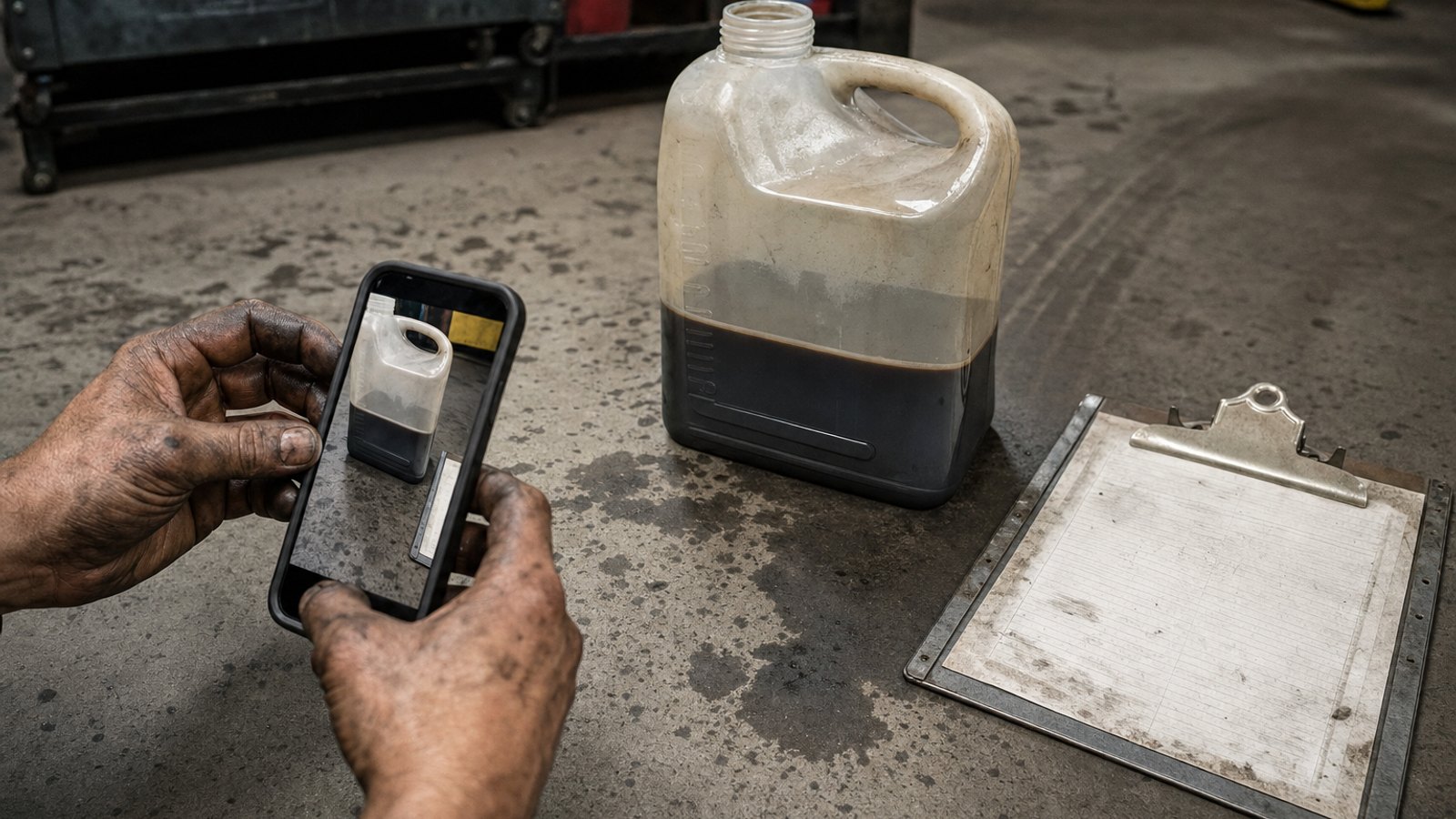
Take EPA fluid disposal. When you drain a transmission pan or pull refrigerant for an A/C repair, that fluid has to be handled and hauled. That cost is real and it's yours. Take a photo of the drain container. Log the volume. Bill it as a disposal fee under your standard environmental handling category. That's not a workaround. That's accurate billing with photo documentation to back it.
Now look at your paint booth cycle time. When a car sits in the booth curing, you're running electricity, gas, and equipment time. If a carrier's DRP agreement restricts certain consumable line items but doesn't specifically cap machine operation time, you have a billing surface there. The booth isn't running for free.
TPMS relearn is one of the most consistently missed items across DRP and non-DRP estimates alike. Any wheel removal that requires sensor re-synchronization triggers a TPMS relearn. It's in the OEM procedure documentation for almost every make. Toyota, Honda, Ford, GM, all of them. The DRP contract may not explicitly address it because carriers didn't bother to list it. Bill it. Put the OEM cite in the line note.
Test fit for aftermarket parts is another consistent miss on DRP work. If the carrier specifies aftermarket on a panel and that panel requires test fit before installation, that's labor time. The OEM didn't design the car for that part. The shop eats the fit time unless they bill it. Some shops build a standard test fit line item for every aftermarket spec and never see it questioned.