Back to Blog
Labor Rate Disputes

The File That Wins an Arbitration Dispute Is the Same File That Keeps Your Rate From Getting Cut

4 min read
Share
A thick tabbed arbitration documentation file folder open on a conference table beside a printed repair estimate

Phil's shop has gone 12-for-12 in arbitration. Every dispute that reached an independent appraiser, his file won. A 97% pre-trial settlement rate means almost none of those disputes even made it that far before the carrier settled first. That record isn't luck, and it isn't a labor rate dispute documentation trick either. It's the same file, built the same way, every single time, regardless of what's being argued.

12-for-12. Zero Losses. The File Didn't Change From Argument to Argument.

Valley Paint and Body in Amelia, Ohio, didn't win 12 arbitration disputes in a row by having a better relationship with adjusters than anyone else in the state. Phil built a file before the dispute started, not after a denial landed. OEM citations, documented operations, the specific obligation language carriers are already bound to honor. When a carrier or an independent appraiser opened the file, there was nothing left to argue about. The facts were already sitting on the page, in order, before anyone picked up a phone.

A 2024 Ram 1500 with a bent frame rail is the kind of job that tests a file like this. Dozens of structural labor hours, multiple OEM citations, a repair that has to be documented step by step or it falls apart under scrutiny. Phil's shop treats that file the same way whether it's headed to a supplement desk or an arbitration panel. The standard doesn't change based on who's reading it, and that consistency is exactly what carriers struggle to argue against.

That consistency matters more right now than it did a year ago. In CRASH Network's third-quarter 2025 survey, about one in four shops said an insurer was paying a lower labor rate than it had in January, often without a documented reason attached. Shops without a file like Phil's are relitigating that question from scratch every time a letter arrives. Shops with one aren't.
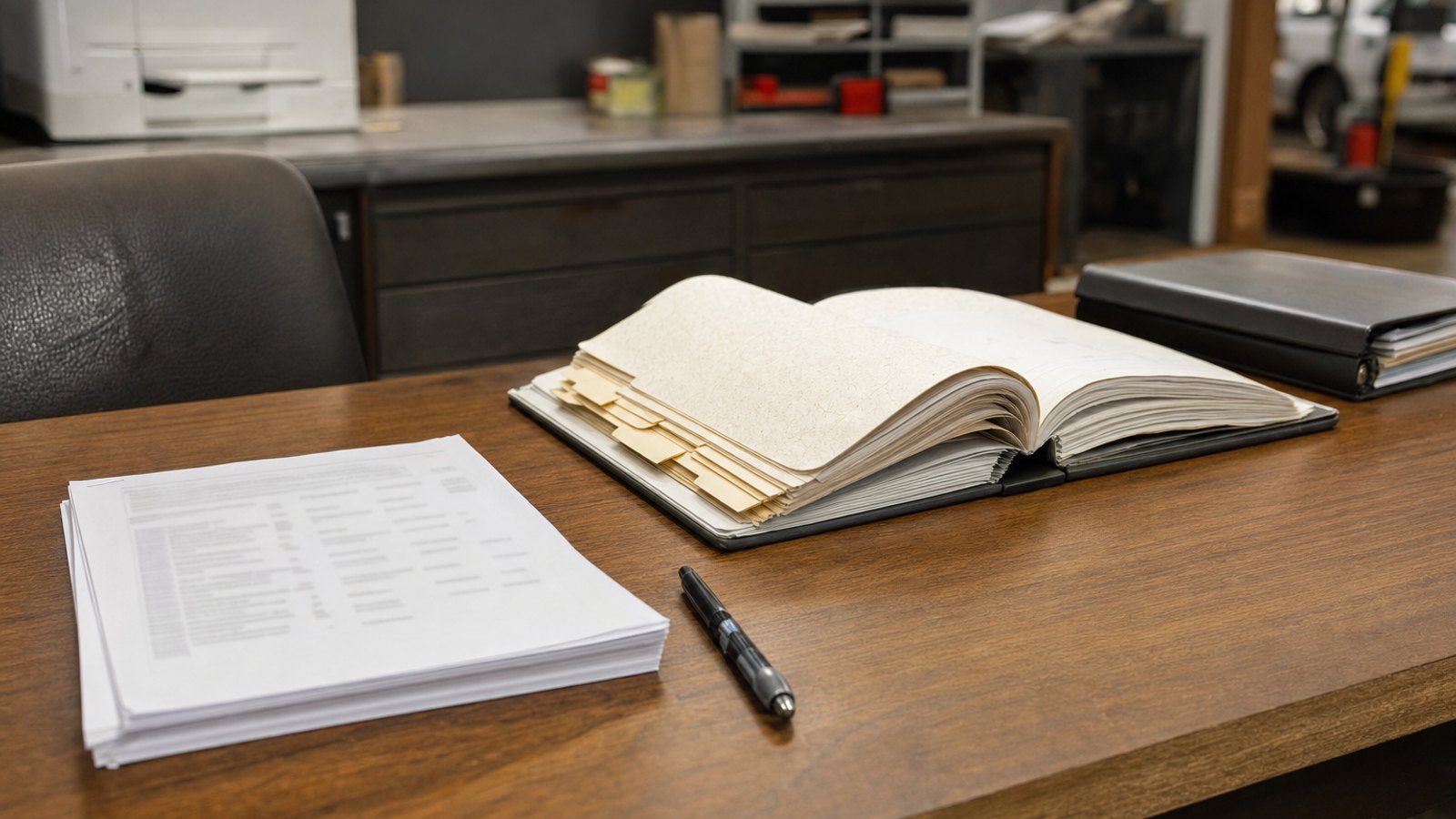
A thick file folder with tabbed sections open on a conference table next to a printed repair estimate
The file that wins an arbitration dispute never gets rebuilt for a different argument.

Score Your Shop Before the Next Rate Call

Here's the scoreboard. If a carrier called right now to announce a labor rate cut, could you hand them a documented position within five minutes? Not a feeling, not a memory of what you've always charged. A page with a source on it. If the honest answer is no, you'd have to build that file from scratch after the call, while the cut is already in effect and the pressure is already on you, not on them.

Phil's shop never answers that question from scratch. The file exists before the phone rings, because the standard never moves: document first, argue never. That's the entire difference between a shop that wins 12-for-12 and a shop that's still relitigating the same argument every time a new letter shows up in the mail.
What Goes in a File That Holds Up

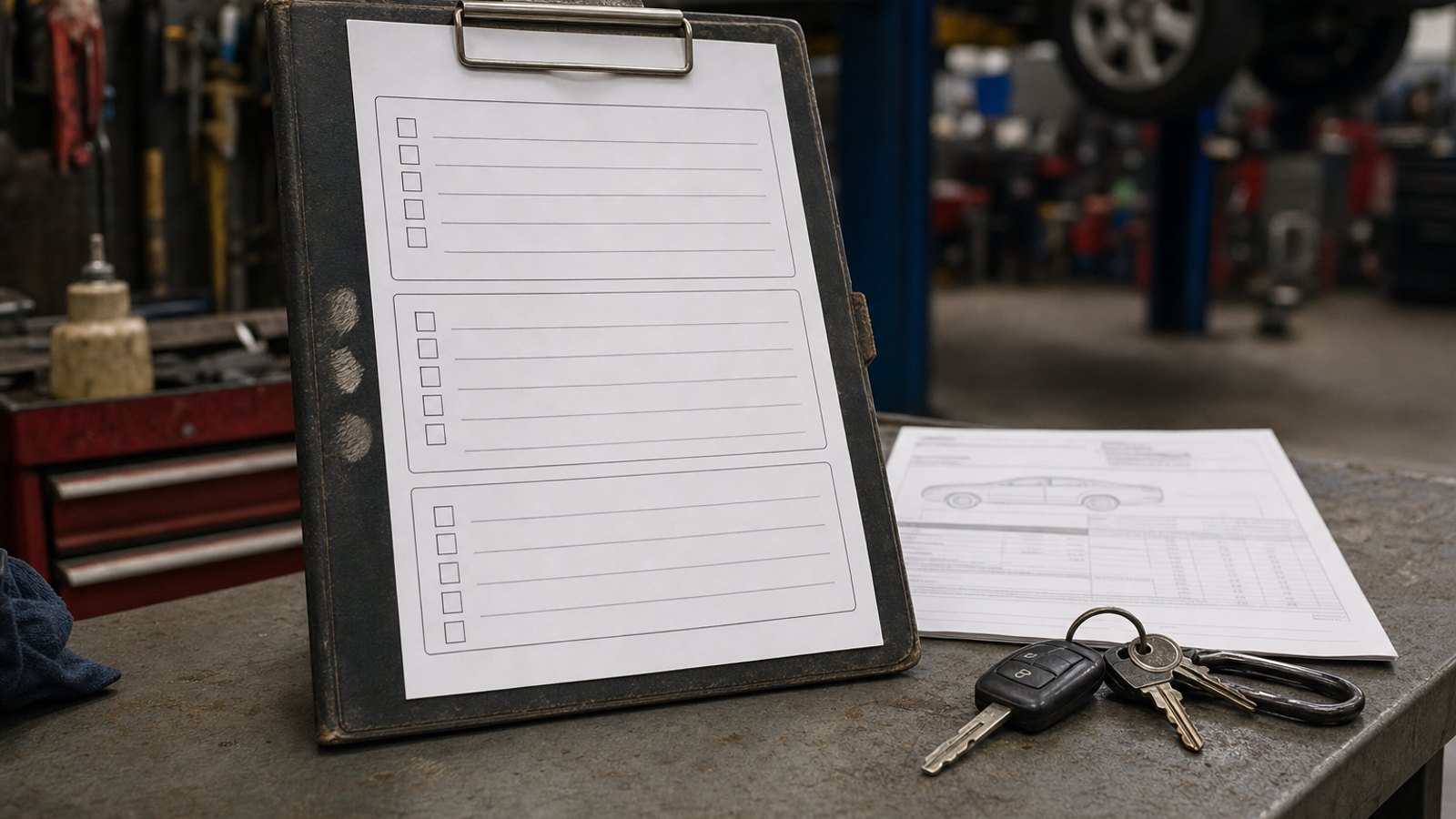
Three things, and none of them are complicated. A documented rate source, whether that's a state filing, NABR's LaborRateHero, or a published CRASH Network and SCRS survey. The specific OEM citations tied to the repair in front of you, not a general reference. And a record of what the carrier previously paid on comparable work, so a cut shows up as a reduction from a documented baseline instead of a disagreement about feelings.

None of that requires calling another shop to compare notes, which creates antitrust exposure for everyone involved. It requires pulling sources that already exist and keeping them in one place before a dispute starts, not scrambling for them in the middle of one. Every Estimate Optimizer™ audit ties each recommended operation to its OEM procedure and a copy-and-paste line note, so the OEM citation part of that file is already in your hands before a rate call ever comes in.

This is the part most shops skip, not because it's hard, but because nothing forces the question until a carrier's letter is already sitting on the counter. Phil's shop built the habit first and the proof followed. The habit is available to any shop willing to build the file before it's needed instead of after.

A one page checklist with three sections on a clipboard, next to a printed vehicle estimate and a set of keys
The position file only needs three things: a rate source, OEM citations, and a paid-rate history.

The Bottom Line

Twelve for twelve isn't a streak. It's what happens when the file never has to be built under pressure. Build yours this week, while nobody's calling about your rate yet, and the next cut notice becomes a formality instead of a fight.

Related Articles

Frequently Asked Questions

What documentation do I need to dispute a labor rate cut?
You need a documented rate source such as a state filing or NABR's LaborRateHero data, specific OEM citations tied to the repair, and a record of what the carrier previously paid on comparable work. Building this before a dispute starts, rather than after a cut notice arrives, is what separates a shop that wins the argument from one still building its case.
How do I win a labor rate dispute with insurance?
Build the documentation file before the dispute starts, not after a denial or cut notice. One shop owner's 12-for-12 arbitration record and 97% pre-trial settlement rate came from using the same documented file structure every time: a rate source, OEM citations, and paid-rate history. Carriers settle more often when the file leaves nothing left to argue.
What is a labor rate position file?
A labor rate position file is a short, standing document that contains a documented rate source, the OEM citations relevant to common repairs, and a record of what a carrier has previously paid. It's built once and kept ready, so a shop can respond to a rate cut notice within minutes instead of building a case from scratch.
Can documentation stop an insurance company from cutting my labor rate?
Documentation doesn't guarantee a carrier reverses a decision, but it changes what the conversation is about. A position built on a documented source forces a specific, on-record response instead of a dismissible opinion. Shops with that file in place before a dispute consistently see better outcomes than shops building their case after the fact.
Where can I find real data on what insurance companies pay for collision repair labor?
Use NABR's LaborRateHero for free, zip-code-based posted rate data, plus published surveys from CRASH Network and SCRS. If your state keeps labor rate surveys or reports on record, as Rhode Island, California, and Massachusetts do in different forms, request that record directly from your state's department of insurance.
Share this article
labor ratesinsurance claimsshop ownerscollision repairauto bodyindependent shops
Back to Blog
Follow us