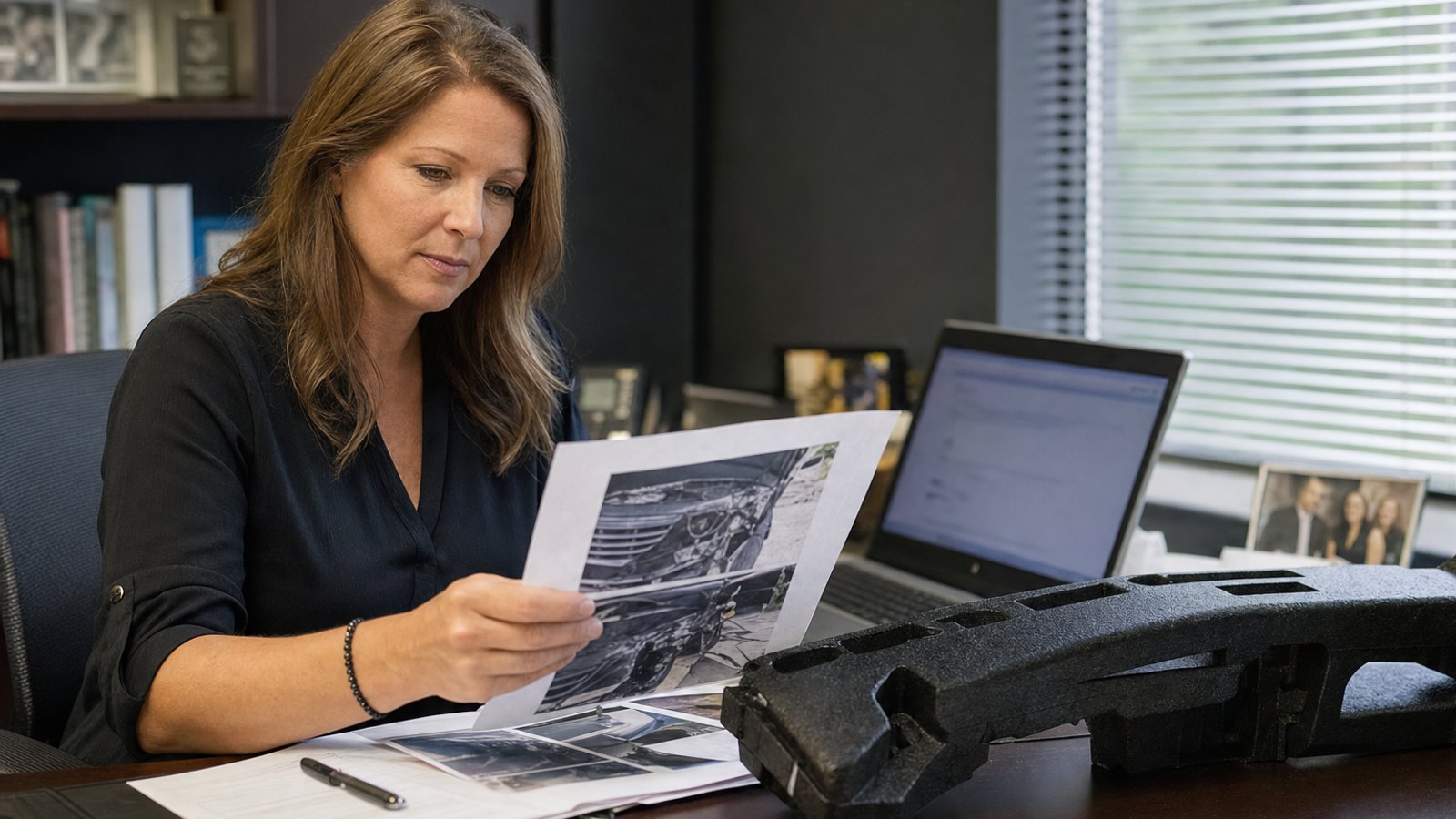
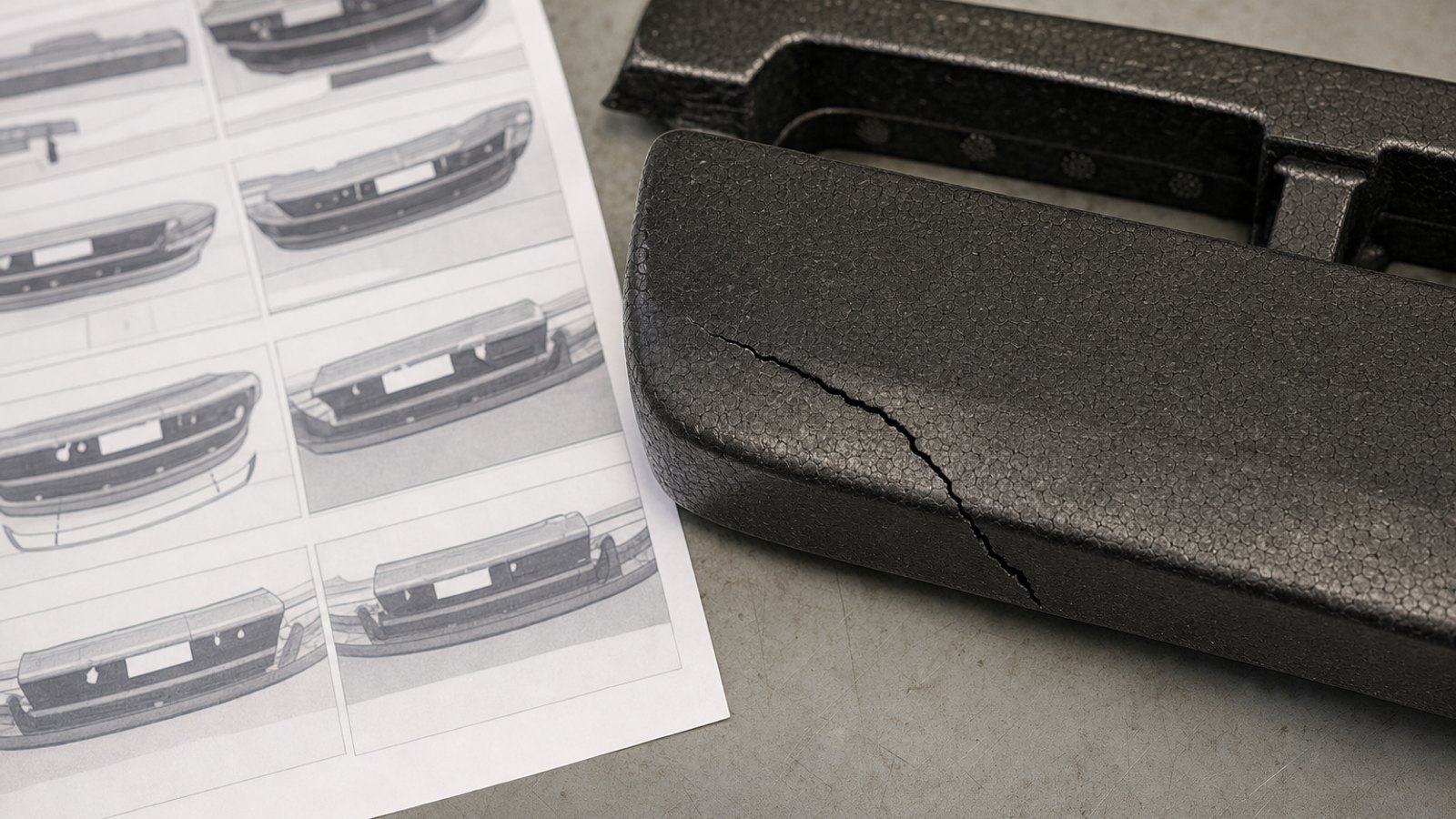
Destiny's shop submitted a supplement on a Toyota Camry. The amount was $2,500. The damage, a hairline crack in the bumper absorber with bent rebar behind it, wasn't visible at initial estimate. It was caught from a photo during the LRA review stage. The supplement came back approved on the first submission. No denial to fight. No second round.
That outcome didn't happen because Destiny got lucky with a reasonable adjuster. It happened because of what was in the file.
Most Shops Build Their Best File After the Denial. Here's the Problem With That.
Think about the last time a supplement came back denied or stalled. What did you add to get it approved on the next round?
Photos you didn't send the first time. OEM documentation you had to go find. A written explanation of why the damage wasn't on the original estimate. A repair manual citation you had to pull specifically because the adjuster pushed back.
You had all of that. You just built it in response to a denial instead of before submission. That's the pattern the collision industry runs on. Sixty-three percent of repairs require a supplement, according to CCC's own published data. The average gap between the initial estimate and the final repair cost is $1,200 to $1,800. Most of that gap closes through supplement rounds that could have been one submission.
Catching structural damage from a photo before submission is different from discovering it after the adjuster has already seen the file.
What Does Your File Look Like at Submission vs. After a Denial?
Here's a useful check. Think about a recent supplement your shop submitted.
At submission: were there labeled photos of each damaged component tied to the specific line items? Was there an OEM citation attached to each operation you added? Was there a written note explaining what was found at teardown and why it wasn't on the original estimate?
After the denial: did those things appear in your response?
If the answer is yes to the second set and no to the first, that's the gap. The documentation existed. It just went in after the denial instead of before submission. That pattern costs time, creates a second review cycle, and puts the adjuster in a defensive position on a file they've already seen once.
Green is sending the same file you'd send to fight a denial, before you submit. Yellow is adding documentation when you remember or when the damage is obviously hidden. Red is submitting line items and waiting to see what comes back. Most shops are somewhere in yellow.
The Three Things That Made This Auto Body Supplement Approved First Submission
When Destiny's LRA review flagged the hairline crack in the bumper absorber, she didn't just add a line item and submit. She built a file around the structural reality of what was there.
A photo of the damage, taken and labeled before submission. A hairline crack in a bumper absorber isn't obvious. It looks like surface cosmetic damage until you know what you're looking for. The photo Destiny included showed the crack specifically, labeled to the absorber replacement line item. No guesswork required on the adjuster's end.
The OEM position on bumper absorber structural integrity. Toyota's documented position makes clear that bumper absorbers with structural compromise require replacement, not repair. That citation converts the operation from a shop request to a documented OEM obligation. The adjuster isn't evaluating whether the shop thinks it's necessary. They're reviewing whether the OEM says it's required. It does.
Documentation of the bent rebar behind it. The bent rebar behind the absorber wasn't visible until the photo review surfaced the absorber condition. The file explained what was found, in sequence: absorber crack identified in photo review, teardown confirmed bent rebar behind it, replacement required per OEM structural integrity position. A reader could follow the logic without calling the shop.
Pairing the OEM structural position with a labeled damage photo removes the gap between what the shop found and what the adjuster can approve.
The same three elements we covered in this week's post on AI auto body claims review, labeled photo, OEM citation, teardown discovery explanation, are the same three elements that cleared this supplement. The file answered every question before the adjuster asked one.
The Bottom Line
Destiny built a file that documented the structural reality before submitting. She didn't argue the point. She made the point undeniable. The $2,500 supplement on a Toyota Camry was approved because the documentation made the correct outcome obvious, not contested.
That's a standard any shop can build to. Tools like Estimate Optimizer™ flag structural conditions from photo review and generate the OEM documentation attached to each affected line item before the file goes out the door.
The shops that get supplements approved on first submission aren't fighting harder. They're submitting files that don't require a fight.
How do I get an auto body supplement approved on the first submission?
Build the same file you'd send after a denial, before you submit. Each added operation needs a labeled photo of the specific damage, an OEM citation supporting the procedure, and a written note explaining what was found at teardown and why it wasn't on the original estimate. Files that answer every question before the adjuster asks move through review fastest.
Why do supplements get denied even when the damage is real?
Denials most often trace back to documentation gaps, not illegitimate damage. If the supplement adds line items without labeled photos tied to those items, without OEM citations supporting the procedures, or without a written explanation of why the damage wasn't on the original estimate, the adjuster has no clear path to approval. The damage being real isn't the same as the file proving it.
Does a hairline crack in a bumper absorber require replacement?
Toyota's OEM structural integrity position requires replacement of bumper absorbers with structural compromise, including hairline cracks. Because absorbers are load-bearing components in a front or rear impact, cosmetic repair isn't an OEM-approved option. Documenting that position in the supplement file converts the operation from a shop opinion to a manufacturer requirement.
What is the average per-job gap between the initial estimate and the final repair cost?
According to CCC's own published data, the gap between what the carrier initially approves and the actual cost of the repair averages $1,200 to $1,800 per job. Sixty-three percent of all collision repairs require at least one supplement. Most of that gap closes through multiple supplement rounds that complete documentation could resolve in one submission.
What should a supplement file contain to avoid manual review delays?
Each added operation needs three things: a labeled photo of the specific damage tied to that line item, an OEM citation or position statement supporting the procedure, and a one-sentence note documenting what was found and why it wasn't visible on the original estimate. AI scoring systems and human adjusters use the same logic. Files with all three elements score as complete. Files without them get held.