Body shop liability around OEM procedures doesn't start with a lawsuit. It starts with a technician who did the repair exactly right and a file that has no way to prove it.
"We Already Follow OEM Procedures." That's Not the Question.
Every shop owner says some version of this at some point, on a sales call, in an audit, or in a conversation with a consultant trying to sell them something. It's usually true. The tech pulled the spec sheet. The adhesive was OEM-specified. The calibration ran. The work happened correctly, start to finish.
That was never the question. SCRS's position, signed by AASP, ASA and a coalition of state and regional associations, is that documented OEM repair procedures are the standard of repair, and that disregarding them exposes consumers to safety risk and repairers to liability. The same principle cuts the other way too. Following the procedure without a record of following it leaves a shop unable to show it did anything differently from a shop that skipped the step, because nobody downstream can tell the difference from the file. Not the carrier reviewing the estimate. Not an attorney reading the repair order two years later.
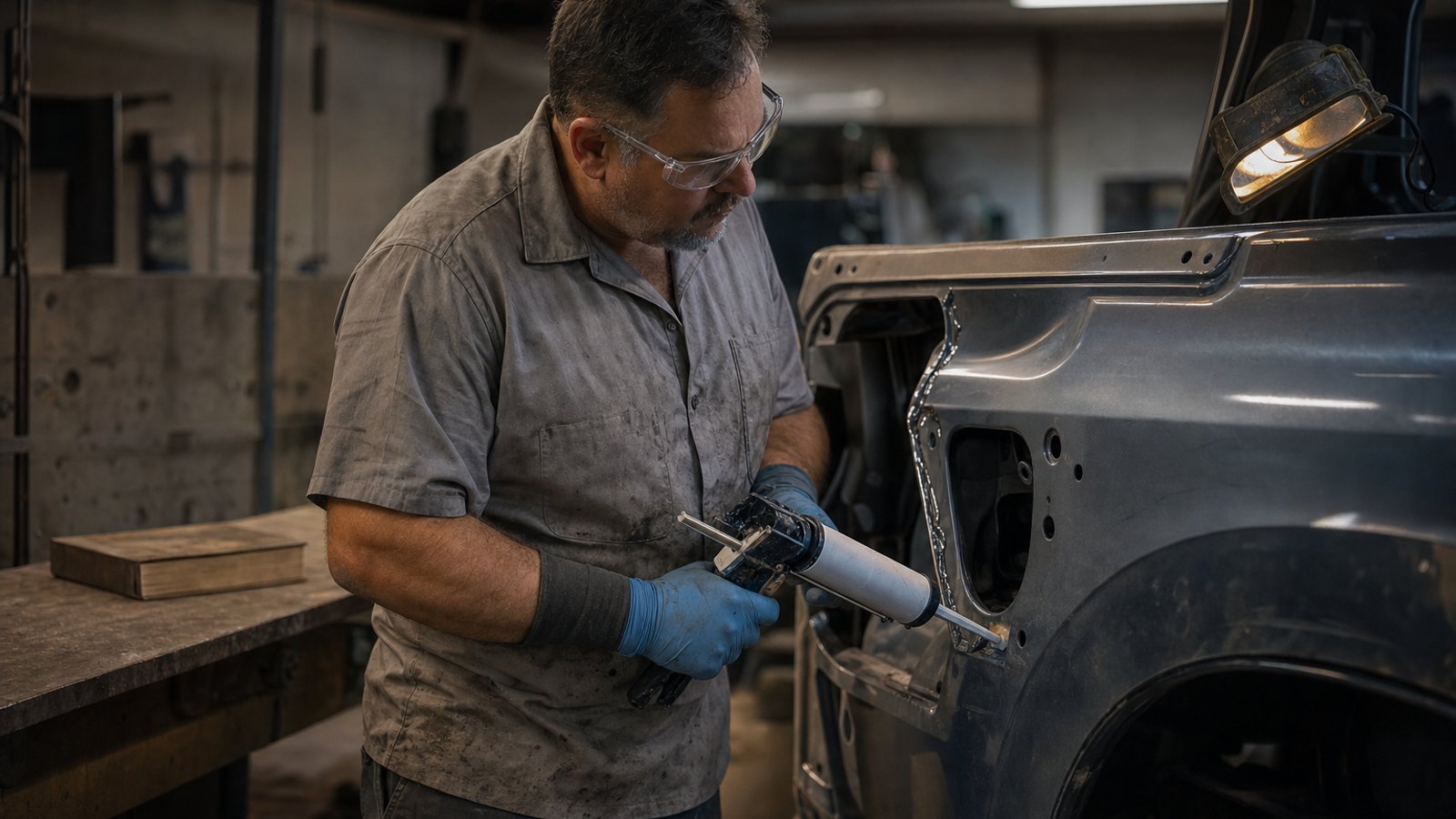
Take a 2023 Ford F-150 in for a quarter panel replacement. The tech applies OEM-specified structural adhesive correctly, the way he's done it a hundred times before. If the carrier pays and nothing ever happens to that truck again, no one checks the file. If that truck is in a second collision and the repair becomes part of a liability claim, "we always do it right" is a weak answer in a deposition. A citation to Ford's procedure, a photo of the adhesive bead before the panel closed, and a line note tying both to the billed operation gives you something specific to point to. One of those is a belief about your shop. The other is a record a carrier, or an attorney, can check for themselves.
The Gap Between Following OEM Procedures and Proving It Is Where Body Shop Liability Lives
The spring 2024 "Who Pays for What?" survey from Collision Advice and CRASH Network found that 61% of shops now research OEM repair procedures on all or most of the vehicles they repair, a nine-point gain since 2020. That's the compliance side, and it's trending the right direction across the industry.
Getting paid for that research is a separate question, and the best available number is older and narrower: in a December 2021 wave of the same survey, among shops that asked insurers to pay for OEM research, about 20% said they were paid always or most of the time. Either way, the research is work the shop does before a single wrench touches the car, and it only shows up on the bill if something in the file connects the research to the operation. Carriers have a financial incentive to treat an undocumented claim as an unverified one. That's not malice. That's how a claims department processes risk when there's nothing in the file to check against.
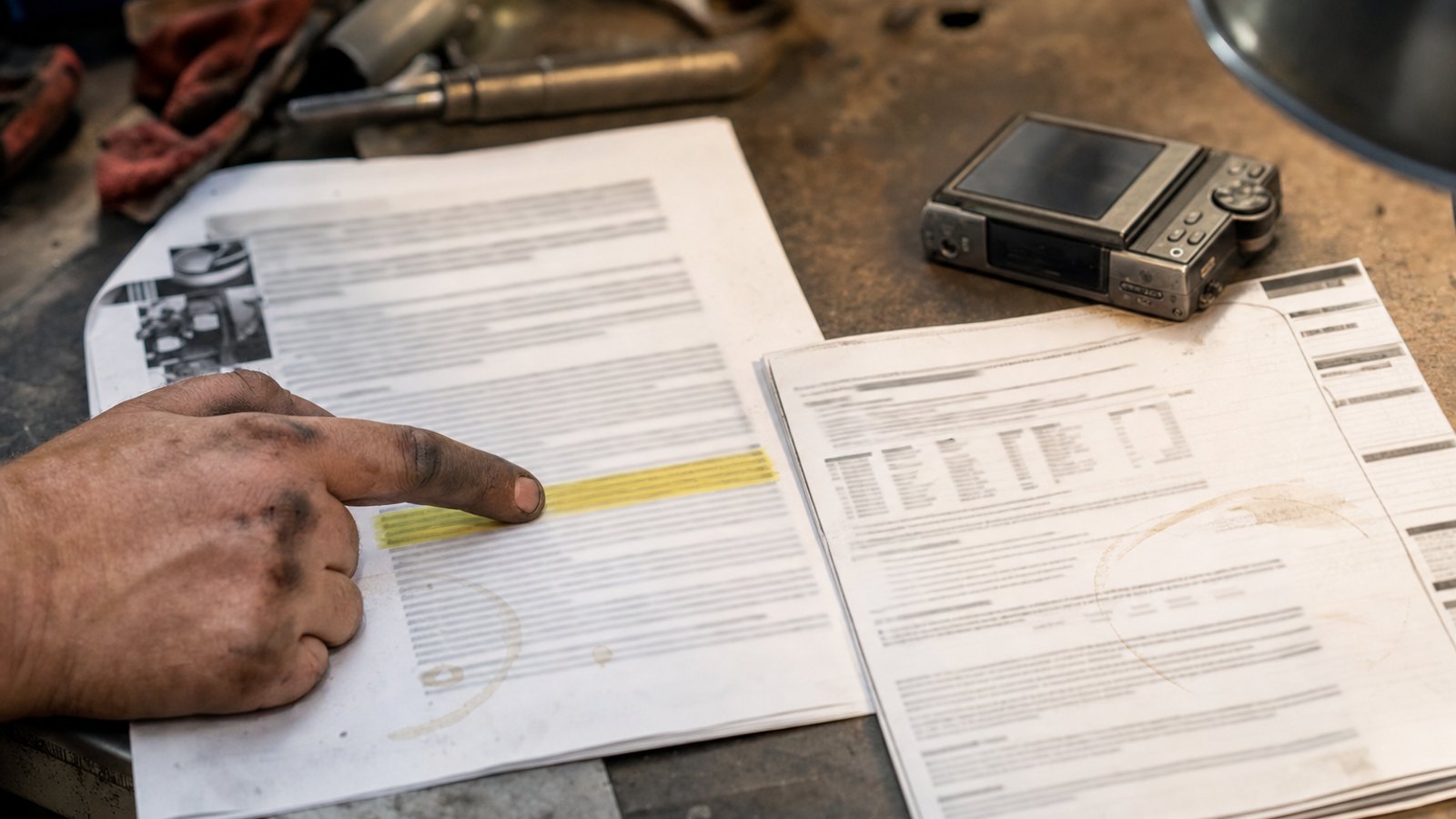
Here's the self-check. Pull ten repair orders from the last month that required at least one OEM-specified step: a calibration, a structural repair, a single-use fastener, a corrosion treatment. For each one, look for a photo and a specific citation, a bulletin number or position statement, attached directly to that line item. Not a general note that says "per manufacturer guidelines." A citation a carrier, or a jury, could look up.
Run the same check on refinish and corrosion operations, not only structural and ADAS steps. The gap shows up anywhere an OEM citation could apply, not only in the categories that feel high-stakes.
Under 50% of those ROs with a real citation-and-photo pair is red territory. Over 80% is green: the file is doing its job, and what's left is closing the last few gaps. Remember what's at stake. In the 2017 John Eagle Collision Center case in Dallas County, Texas, the shop was ordered to pay about $31.5 million after a roof on a 2010 Honda Fit was bonded with adhesive where Honda's procedure called for welds. That shop skipped the procedure. A shop that follows it but can't show it is left arguing from memory.